
.)
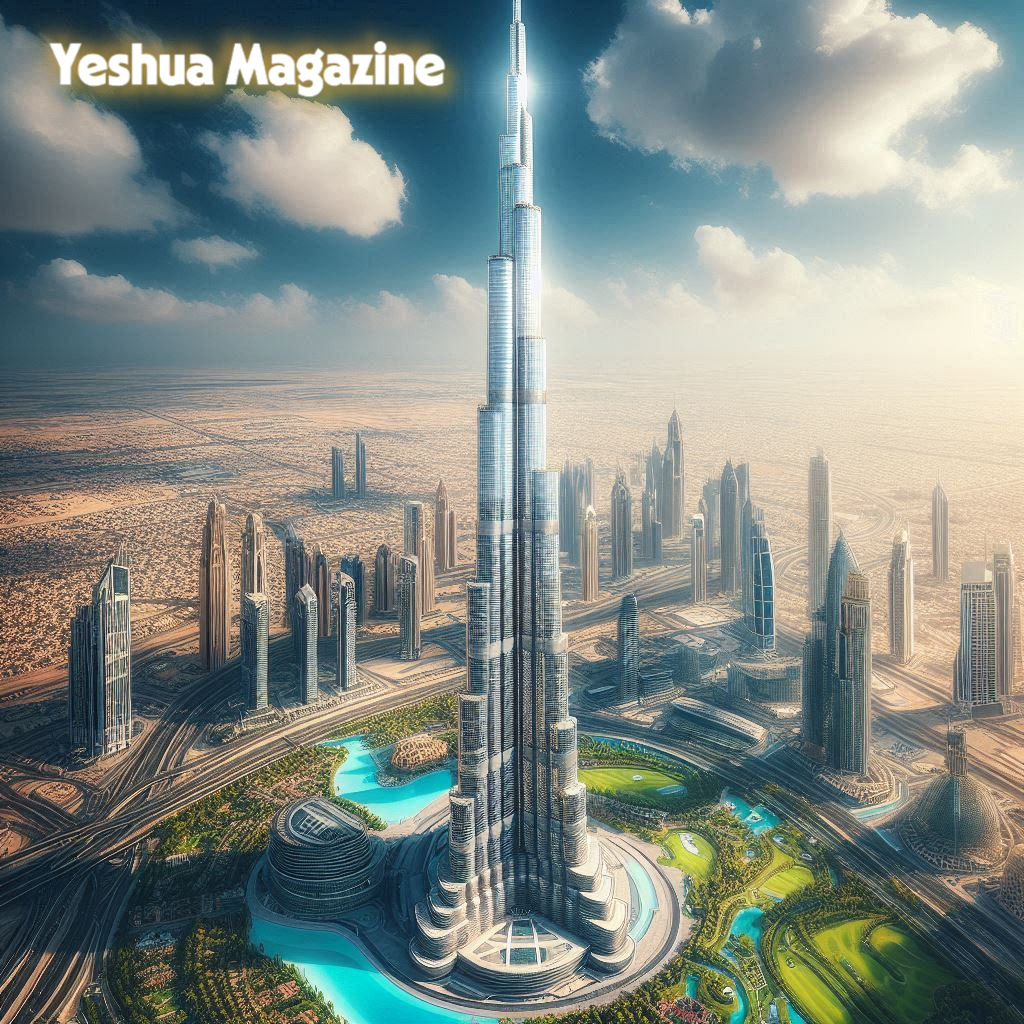
The Burj Khalifa stands as a testament to human ambition and engineering excellence, piercing the Dubai skyline at an astonishing 828 meters (2,717 feet). This architectural masterpiece didn’t just break records; it redefined what was possible in modern construction. Understanding how this extraordinary structure came to be requires exploring the innovative techniques, unprecedented challenges, and visionary planning that made it reality.
The Vision Behind the Tower
A Symbol of Transformation
Dubai’s leadership envisioned more than just a tall building. They conceived the Burj Khalifa as a symbol of the city’s transformation from a desert trading port to a global metropolis. The project aimed to diversify Dubai’s economy beyond oil, establishing the emirate as a center for tourism, commerce, and innovation.
Emaar’s Ambitious Vision
Emaar Properties, one of the Middle East’s largest real estate developers, spearheaded the project with a clear objective: create the world’s tallest structure. The development would anchor Downtown Dubai, a massive mixed-use development spanning 500 acres. This wasn’t merely about height; it was about creating an iconic landmark that would put Dubai on the world map permanently.
Revolutionary Structural Design
The Flower-Inspired Design
The foundation of the Burj Khalifa’s record-breaking height lies in its innovative structural system. Adrian Smith of Skidmore, Owings & Merrill designed the tower using a bundled tube design inspired by the Hymenocallis flower, a regional desert plant. He didn’t choose this Y-shaped floor plan for aesthetics alone; it provides critical structural advantages.
Buttressed Core System
The buttressed core structural system represents a breakthrough in supertall building design. A central hexagonal core extends outward through three wings, creating a tripod effect. Each wing buttresses the others, and as the tower rises, these wings set back in a spiraling pattern. This configuration reduces wind forces and provides the lateral support necessary for extreme heights.
Wind Management
The structure employs what engineers call a “vertical cantilever” system. The building’s design forces wind to flow around the structure rather than hitting it head-on, significantly reducing wind-induced sway. At the top, occupants experience movement of approximately 1.5 meters in strong winds, which falls within comfortable limits for such an extreme height.
Foundation Engineering Excellence
Deep Foundation System
Before rising skyward, the Burj Khalifa needed an extraordinary foundation to support its immense weight. The foundation system consists of a reinforced concrete mat that 194 bored reinforcement piles support. These piles extend more than 50 meters deep into the ground, anchoring the structure to the earth below.
Record-Breaking Concrete Pour
Engineers constructed the foundation piles using a specialized technique that involved drilling deep into the ground and filling the holes with high-strength concrete. Each pile can support tremendous loads, and together they distribute the building’s approximately 500,000-ton weight across a stable base. The foundation mat itself measures 3.7 meters thick, and workers poured it in a single continuous operation lasting three days, setting a world record for concrete pouring.
Concrete Innovation and Materials
High-Performance Concrete Mix
The concrete used in the Burj Khalifa represents a significant achievement in materials science. Traditional concrete wouldn’t suffice for this application due to Dubai’s extreme summer temperatures and the structural demands of such height. Engineers developed a special high-performance concrete mixture capable of withstanding the massive compressive forces.
Specialized Additives and Design
This specialized concrete had to maintain workability during the long pumping process to the upper levels while developing exceptional strength once set. The mix included fly ash and silica fume additives to enhance durability and reduce heat generation during curing. Engineers also designed the concrete to resist the corrosive effects of groundwater salts common in the region.
Pumping to Extreme Heights
Pumping concrete to record heights presented unique challenges. The building team used the world’s longest concrete pump, capable of pushing concrete vertically to heights exceeding 600 meters. The pumping system operated continuously, with concrete flowing to the upper floors through a network of pipes built into the structure itself.
Construction Methodology and Timeline
Rapid Construction Progress
Construction of the Burj Khalifa commenced in January 2004, with excavation beginning for the foundation system. The building rose at an impressive rate of approximately one floor every three days during peak construction. This rapid pace required meticulous planning, coordination, and an around-the-clock workforce.
Parallel Construction Approach
The construction process employed a “top-down and bottom-up” approach simultaneously. While the tower’s structure climbed upward, interior finishing work progressed on lower completed floors. This parallel construction methodology saved considerable time in the overall project timeline.
Innovative Formwork Systems
A specialized jump form system enabled the rapid rise of the central core. This self-climbing formwork system moved upward as each floor reached completion, eliminating the need for external scaffolding at extreme heights. The wing walls used a different technique, with crane-lifted formwork that allowed for the complex geometry of the setbacks.
Spire Installation
Workers assembled the building’s spire, which adds the final 200 meters to its height, inside the building and then pushed it upward through the top using a hydraulic system. This innovative approach protected workers from extreme winds at that altitude and allowed for precise placement of the spire segments.
Addressing Environmental Challenges
Extreme Heat Management
Dubai’s harsh climate posed significant obstacles throughout construction. Summer temperatures regularly exceed 50°C (122°F), making outdoor work dangerous and affecting concrete curing. Construction during daylight hours in summer became nearly impossible, forcing the team to schedule critical concrete pours during cooler evening and nighttime hours.
Worker Safety Protocols
The extreme heat also affected worker safety and productivity. The project implemented extensive cooling systems, shade structures, and hydration protocols to protect the workforce. The team paid special attention to concrete curing, using temperature-controlled water and applying cooling techniques to prevent thermal cracking.
Wind Testing and Analysis
Wind presented another major challenge. At heights above 500 meters, wind speeds intensify dramatically. Engineers conducted extensive wind tunnel testing using scaled models to predict how the tower would behave in various wind conditions. These tests informed design modifications that enhanced stability and occupant comfort.
Mechanical and Electrical Systems
Vertical Transportation
The Burj Khalifa’s mechanical, electrical, and plumbing systems are as impressive as its structure. The building contains 57 elevators and 8 escalators, including double-deck elevators that can travel at speeds up to 10 meters per second. These elevators use sophisticated control systems to efficiently move thousands of occupants daily.
Climate Control Systems
The tower’s air conditioning system must cool 500,000 square meters of space in one of the world’s hottest climates. The system uses approximately 10,000 tons of cooling capacity, with a district cooling plant supplying chilled water. Engineers collect condensate water from the air conditioning system and use it for irrigation, demonstrating sustainable design principles.
Power Distribution
Electrical systems distribute power throughout the tower using a sophisticated network of transformers and distribution boards. The building’s power consumption peaks at around 36 megawatts, equivalent to the demand of a small city. Emergency power systems ensure critical functions continue operating during outages, with backup generators capable of supporting life safety systems throughout the structure.
Facade and Exterior Design
Curtain Wall System
The Burj Khalifa’s exterior combines aesthetic beauty with functional performance. The facade consists of reflective glazing panels and aluminum and textured stainless steel spandrel panels. This curtain wall system covers approximately 120,000 square meters, equivalent to 17 soccer fields of glass.
Maintenance Solutions
Installing the facade at such heights required innovative techniques. Engineers integrated special cleaning and maintenance systems into the building, including automated window-washing equipment that operates on tracks built into the facade. Manual cleaning would prove impractical and dangerous at these elevations.
Energy Efficiency
The reflective glass helps reduce solar heat gain, crucial for energy efficiency in Dubai’s climate. Engineers carefully balanced the facade’s performance between natural light, views, and thermal control, creating comfortable interior environments while minimizing energy consumption.
Safety and Fire Protection
Refuge Floor System
Ensuring safety in the world’s tallest building required unprecedented fire protection and life safety systems. The building includes numerous refuge floors where occupants can await rescue during emergencies. These pressurized refuge areas provide safe havens approximately every 25 floors.
Fire Suppression Technology
The structure employs advanced fire suppression systems, including sprinklers throughout all occupied spaces. Builders used fire-resistant materials extensively in construction, with the concrete structure itself providing excellent fire protection. Engineers pressurized and fire-rated the stairwells to allow safe evacuation.
Emergency Evacuation Planning
Evacuation planning for such a tall building presented unique challenges. The building’s population during peak occupancy can exceed 35,000 people. Designers created emergency systems to facilitate phased evacuation, with occupants moving to refuge floors rather than attempting to descend the entire height during an emergency.
Legacy and Impact
Breaking Height Records
The Burj Khalifa’s completion in January 2010 marked a milestone in architectural and engineering achievement. The tower didn’t just break the height record; it shattered it, exceeding the previous record holder by over 300 meters. This margin demonstrated that the engineering solutions developers created for the project had pushed the boundaries of what’s possible.
Economic and Tourism Impact
Beyond its physical presence, the Burj Khalifa transformed Dubai’s global profile. The tower attracts millions of visitors annually, contributing significantly to the emirate’s tourism economy. It catalyzed development throughout Downtown Dubai and established new benchmarks for mixed-use urban development.
Engineering Innovation Legacy
The engineering innovations developers created for the Burj Khalifa continue influencing supertall building design worldwide. Engineers have adapted the buttressed core system, advanced concrete technologies, and construction methodologies pioneered on this project for subsequent supertall projects globally.
Conclusion
The Burj Khalifa represents the culmination of human ingenuity, engineering excellence, and ambitious vision. Its creation required solving countless challenges, from developing new concrete formulations to innovating construction techniques for extreme heights. Every aspect of the project pushed boundaries and established new standards.
This architectural marvel stands as more than the world’s tallest building. It symbolizes what becomes possible when ambition meets innovation, when careful planning combines with skilled execution, and when vision transcends conventional limitations. The Burj Khalifa’s story demonstrates that with determination, expertise, and innovative thinking, humanity can achieve what once seemed impossible.
As cities worldwide look skyward, the lessons learned from the Burj Khalifa continue shaping the future of urban development. This tower proved that extreme height is achievable safely and sustainably, opening possibilities for the next generation of supertall structures that will define tomorrow’s skylines.