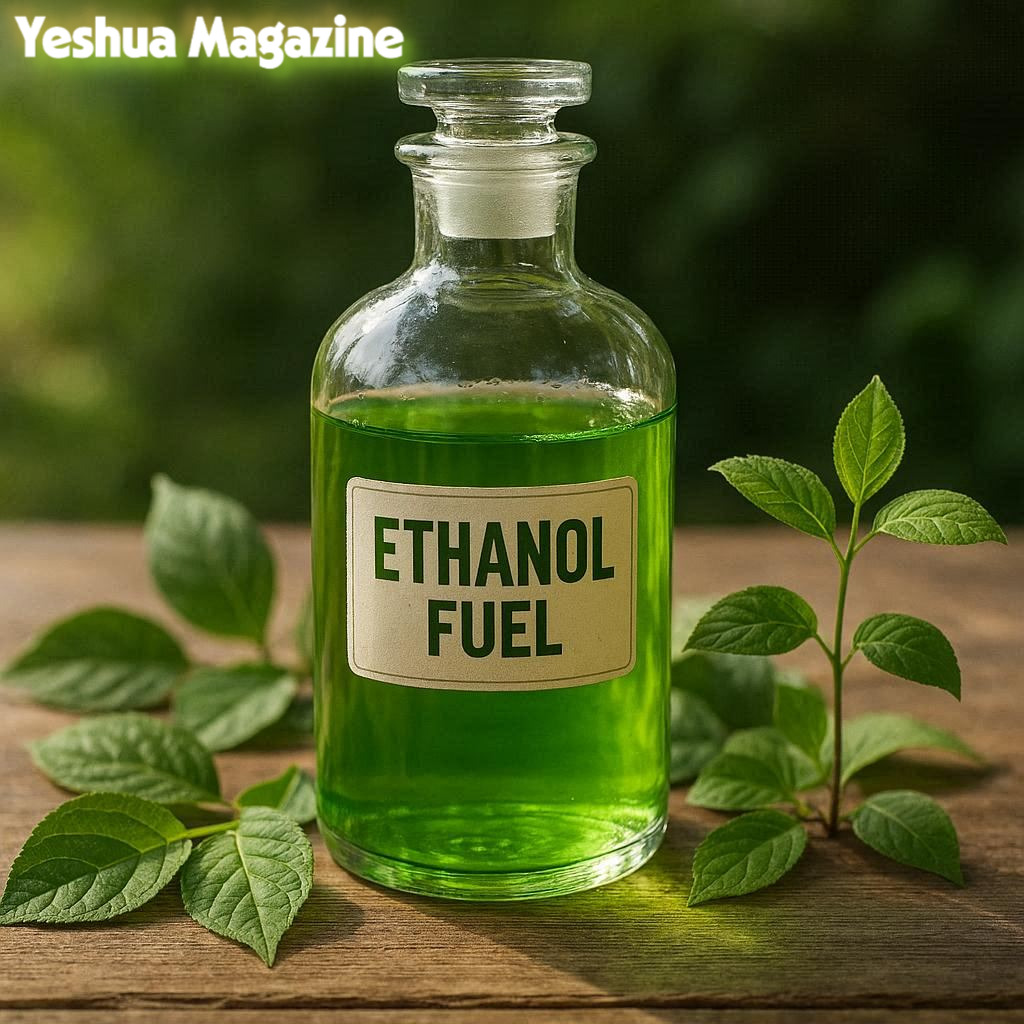


Discover how ethanol fuel works, whether E30 is coming, and if ethanol damages car engines. Complete 2026 guide to ethanol blends, benefits, risks, and the future of biofuel.
Understanding Ethanol: The Basics of Biofuel Technology
Ethanol has emerged as one of the most discussed alternatives to traditional gasoline. Currently, countries worldwide search for cleaner, more sustainable fuel options. As a result, ethanol continues to play a central role in the conversation about our automotive future. But what exactly is ethanol? Moreover, how does it work? Most importantly, is it truly the solution we’ve been searching for?
Ethanol, chemically known as ethyl alcohol, is a renewable biofuel. Specifically, producers primarily make it from plant materials. In most countries, corn serves as the primary feedstock. Additionally, sugarcane, wheat, and other biomass sources also work well. The production process involves fermenting the sugars found in these crops. In fact, this method is similar to how makers produce alcoholic beverages. Subsequently, distillation follows to achieve the concentration needed for fuel use.
When we talk about ethanol fuel, we typically refer to gasoline-ethanol blends. Currently, the most common blend at pumps today is E10. Specifically, it contains 10 percent ethanol and 90 percent gasoline. In contrast, E85 represents the higher end of current availability. Notably, it contains 51 to 83 percent ethanol depending on season and location. However, select stations offer this blend. Now, many people ask whether E30 represents the next logical step. Ultimately, this 30 percent ethanol blend could be the future.
How Ethanol Actually Works in Your Engine
To understand ethanol’s impact, we need to examine how it functions within an internal combustion engine. Furthermore, this understanding helps determine whether ethanol is beneficial or harmful. Interestingly, ethanol has different chemical properties compared to pure gasoline. Consequently, these differences create both advantages and challenges.
First and foremost, ethanol has a higher octane rating than regular gasoline. Specifically, octane measures a fuel’s resistance to engine knock or premature detonation. Therefore, higher octane allows engines to run at higher compression ratios. As a result, this can improve efficiency and power output. Indeed, many performance enthusiasts appreciate ethanol blends for this reason. Particularly, E85 supports increased boost pressure in turbocharged applications.
However, ethanol contains less energy per gallon than gasoline. Specifically, ethanol provides approximately 33 percent less energy content. This means fuel economy typically decreases as ethanol percentage increases. For example, a vehicle running on E85 might see fuel economy drop by 15 to 30 percent. Nevertheless, this varies based on engine design and driving conditions.
Additionally, ethanol is also hygroscopic. In other words, it readily absorbs water from the atmosphere. Therefore, this characteristic has important implications for fuel storage and engine components. Specifically, ethanol fuel can separate from gasoline when it sits for extended periods. This process is called phase separation. During this process, water-laden ethanol settles to the bottom of the tank. Consequently, this separated mixture can cause starting difficulties and poor engine performance.
Meanwhile, the combustion process itself differs slightly with ethanol. Notably, ethanol burns cooler and cleaner than gasoline. As a result, it produces fewer harmful emissions like carbon monoxide and particulate matter. Furthermore, the oxygen content in ethanol is approximately 35 percent by weight. Therefore, this promotes more complete combustion. Ultimately, the result is reduced emissions. Indeed, this cleaner burning characteristic is one of the primary environmental arguments favoring ethanol adoption.
The Reality of E30: Is Higher Ethanol Content Coming?
The question of E30 availability involves technical, economic, and political considerations. Currently, several countries and regions actively explore higher ethanol blends. In fact, they implement these as part of energy independence and emissions reduction strategies.
From a technical standpoint, E30 represents a middle ground. Specifically, it sits between current E10 offerings and the high-ethanol E85 blend. Furthermore, proponents argue that E30 could deliver many of ethanol’s benefits. At the same time, it would remain compatible with a broader range of vehicles than E85. Importantly, modern fuel-injected engines have electronic controls. Therefore, they typically adapt to fuel variations within certain ranges. In fact, many vehicles built after 2001 can handle E15 without modification.
Meanwhile, automotive engineering institutions have conducted research on E30. Interestingly, they show it can actually improve engine efficiency. This happens when engines are optimized for this blend. Moreover, studies demonstrate potential improvements in thermal efficiency. Additionally, they also show reduced emissions. Similarly, power output maintains or improves when engines receive calibration specifically for E30 operation. Furthermore, the higher octane rating allows for advanced ignition timing. It also permits higher compression ratios. Consequently, these factors can offset the lower energy content to some degree.
Brazil provides an interesting case study for higher ethanol adoption. Successfully, the country implemented flex-fuel technology across its vehicle fleet. Currently, cars there can run on any blend from pure gasoline to E100. However, this infrastructure and vehicle compatibility didn’t happen overnight. Instead, decades of consistent policy support and infrastructure investment made it possible.
In the United States, the Environmental Protection Agency approved E15. Specifically, vehicles from model year 2001 and newer can use it. Additionally, some regions test E30 in fleet vehicles. However, widespread E30 adoption faces hurdles. These include infrastructure costs, fuel compatibility concerns, and competing technologies like electric vehicles.
Consequently, the transition to E30 or higher blends requires significant investment. Specifically, fuel distribution infrastructure needs upgrades. For instance, storage tanks, pumps, and dispensing equipment may require replacement. Currently, existing equipment was designed for lower ethanol concentrations. Therefore, fuel retailers need economic incentives to make these investments. Typically, this comes through regulatory requirements or market demand.
Will Ethanol Damage Your Car Engine?
This question generates considerable debate among vehicle owners. Importantly, the answer is more nuanced than a simple yes or no. In fact, the potential for engine damage depends on several factors. These include ethanol concentration, your vehicle’s age and design, usage patterns, and maintenance practices.
Generally, modern vehicles designed after 2001 have ethanol-compatible components. Specifically, manufacturers select fuel system materials to resist ethanol’s corrosive properties. These include hoses, gaskets, seals, and fuel pumps. As a result, these vehicles typically handle E10 and E15 without issues. Additionally, flex-fuel vehicles specifically run on up to E85.
In contrast, older vehicles face greater risks from ethanol exposure. Particularly, those manufactured before the 1990s are vulnerable. Specifically, the alcohol content can degrade certain rubber compounds, plastics, and metals. These materials were standard in earlier fuel systems. For example, natural rubber, certain elastomers, and some fiberglass types can deteriorate. Consequently, ethanol exposure leads to fuel leaks, contamination, and system failures.
Moreover, the hygroscopic nature of ethanol poses risks regardless of vehicle age. Specifically, when ethanol absorbs moisture, this water can promote corrosion. As a result, fuel tanks and fuel system components suffer damage. In severe cases, phase separation can occur. This happens particularly in vehicles that sit unused for extended periods. Furthermore, the separated ethanol-water mixture settles at the bottom of the tank. Importantly, it provides none of the octane benefits of ethanol. Therefore, it can cause significant drivability issues. Additionally, engine damage may result if this mixture enters the combustion chamber.
Furthermore, fuel system corrosion represents another concern with higher ethanol blends. Although modern fuel systems use corrosion-resistant materials, prolonged exposure to ethanol can still accelerate wear on certain components. For instance, fuel injectors, fuel pumps, and sensors may experience reduced lifespan. However, this effect is generally minimal in properly designed systems.
Similarly, small engines face particular challenges with ethanol fuel. For example, equipment like lawnmowers, chainsaws, and boats uses these engines. Typically, they often feature simpler fuel systems with less sophisticated materials. Moreover, they frequently sit unused for extended periods. Consequently, many manufacturers of small engine equipment explicitly recommend against high ethanol content. Specifically, they suggest no more than 10 percent ethanol. In fact, some void warranties if higher blends are used.
Likewise, carbureted engines experience additional complications with ethanol. Specifically, the alcohol content affects fuel density and volatility. Therefore, this can alter air-fuel ratios. These ratios were precisely calibrated for pure gasoline. As a result, lean running conditions may occur. This potentially causes overheating and engine damage. Additionally, carburetor jets and passages can also become clogged. Deposits or corrosion related to ethanol exposure cause this.
Protecting Your Engine When Using Ethanol Fuels
Fortunately, several practices can minimize potential problems if you use ethanol-blended fuels. These steps protect your investment.
For vehicles in regular use, the best protection is keeping fuel fresh. Simply put, don’t let ethanol-blended fuel sit in your tank for extended periods. Therefore, consider your storage plans if your vehicle will sit for more than a month. In this case, fill the tank completely to minimize air space and moisture absorption. Better yet, use ethanol-free fuel before storage.
Additionally, fuel stabilizers formulated specifically for ethanol blends help prevent problems. Specifically, they stop phase separation and degradation during storage. These additives are particularly important for seasonal equipment. Similarly, boats and collector vehicles with irregular use patterns also benefit.
Moreover, regular fuel system maintenance becomes more critical with ethanol fuels. Therefore, change fuel filters according to manufacturer recommendations. Furthermore, change them more frequently if you notice performance issues. Additionally, inspect fuel lines, connections, and the fuel tank regularly. Specifically, look for signs of deterioration or leakage. This should be part of routine maintenance.
For older vehicles or those not designed for ethanol, seek out ethanol-free gasoline. This provides the safest option. Currently, many marinas still offer pure gasoline. Some gas stations do too, though often at a premium price. Fortunately, various apps and websites help locate ethanol-free fuel in your area.
Most importantly, understanding your vehicle’s capabilities is essential. Therefore, check your owner’s manual for information. Alternatively, contact the manufacturer to determine the maximum ethanol concentration approved. Notably, flex-fuel vehicles have a yellow gas cap. They can safely use up to E85. Meanwhile, the manufacturer approves standard vehicles for E15. Typically, they display information on the fuel door or in the manual.
The Environmental and Economic Equation
Importantly, the case for ethanol extends beyond engine compatibility. Environmental impacts and economic considerations shape policy decisions worldwide.
From an emissions perspective, ethanol offers clear advantages in certain categories. Specifically, ethanol combustion produces fewer greenhouse gases at the tailpipe. For instance, carbon monoxide and particulate emissions decrease compared to gasoline. However, the full lifecycle analysis becomes more complex. Consider agricultural inputs, processing energy, and land use changes.
Specifically, growing corn for ethanol requires various inputs. These include fertilizers, pesticides, and irrigation. Additionally, farm equipment uses fossil fuels. Furthermore, processing corn into ethanol consumes additional energy. Nevertheless, modern plants have become increasingly efficient. Various studies show results when these factors are included. Overall, the net greenhouse gas reduction from corn ethanol ranges from 20 to 40 percent. This compares to gasoline. In contrast, sugarcane ethanol shows better lifecycle emissions reductions. Brazil produces it this way. Notably, it shows 60 percent or more reduction. More efficient photosynthesis and lower processing energy make this possible.
Meanwhile, the food versus fuel debate adds another dimension. Specifically, using corn for ethanol production faces criticism. It potentially raises food prices. Furthermore, it encourages agricultural expansion into sensitive ecosystems. However, modern ethanol production yields valuable co-products. For example, distillers grains serve as animal feed. This partially offsets these concerns.
Economically, ethanol production supports agricultural communities. Additionally, it reduces dependence on imported petroleum. Countries like the United States and Brazil benefit. Specifically, domestic ethanol production keeps fuel dollars circulating locally. As a result, money doesn’t flow to oil-exporting nations. Indeed, this energy security argument drives policy support. Support continues even when pure economics might favor alternatives.
Furthermore, the cost competitiveness of ethanol varies. Crude oil prices and agricultural commodity markets affect it. Notably, ethanol becomes more economically attractive when oil prices are high. Historically, government subsidies and mandates have been necessary. They maintain ethanol’s market position. However, the industry has matured significantly. It has become less dependent on support in some markets.
Competing Technologies and the Future Outlook
Importantly, ethanol doesn’t exist in isolation. Numerous other technologies vie to replace conventional gasoline. Therefore, understanding this competitive landscape helps predict ethanol’s long-term prospects.
Currently, electric vehicles represent the most significant challenge. They threaten all liquid fuels, including ethanol. Continuously, battery technology improves. Meanwhile, charging infrastructure expands steadily. As a result, EVs capture growing market share, particularly in passenger vehicles. Notably, many countries announced plans to phase out internal combustion engines. This will happen within the next two to three decades. Consequently, this would dramatically reduce the market for any liquid fuel.
Similarly, hydrogen fuel cells offer another zero-emission alternative. However, infrastructure challenges and production costs currently limit adoption. Likewise, synthetic fuels show promise too. Specifically, producers make them from renewable electricity and captured carbon. Therefore, they could provide drop-in replacements for gasoline. Vehicle modifications wouldn’t be required. Nevertheless, costs remain prohibitive at scale.
Within the biofuel space, cellulosic ethanol addresses many criticisms. Specifically, producers make it from agricultural waste, wood chips, and non-food crops. This addresses concerns about corn ethanol. However, the technology has proven more difficult to commercialize than anticipated. Nevertheless, ongoing research continues to improve economics and efficiency.
Meanwhile, advanced biofuels capture investment and policy attention. Specifically, renewable diesel and sustainable aviation fuel lead this category. Particularly, they work well for applications where electrification faces challenges. For example, long-haul trucking and aviation are prime candidates.
Given this competitive environment, ethanol’s future likely involves serving specific niches. It won’t provide wholesale replacement of gasoline. However, E15 and potentially E30 may become standard blends. This will happen in markets with strong policy support. Established ethanol industries will drive this. Meanwhile, flex-fuel vehicles could continue serving as bridge technology. They offer consumers choice. Infrastructure for alternatives develops alongside.
Ultimately, the path to E30 or higher blends depends heavily on policy decisions. Market forces alone may not drive higher ethanol adoption without mandates or incentives. Particularly, electric vehicles gain momentum. However, ethanol retains advantages. Existing infrastructure compatibility is one. Liquid fuels remain practical in certain applications.
Conclusion: Making Informed Decisions About Ethanol
In conclusion, ethanol represents neither a perfect solution nor a fundamental threat. Specifically, modern vehicles designed for ethanol blends use them safely. They may even benefit from higher octane and cleaner combustion. In contrast, older vehicles and small engines require more caution. They may perform better with ethanol-free fuel.
Ultimately, whether higher blends like E30 become widespread depends on complex interactions. Technology development plays a role. Additionally, policy support matters. Infrastructure investment is crucial. Furthermore, competition from alternative fuel sources affects adoption.
Clearly, the transition away from petroleum-based transportation fuels is inevitable. However, the specific path this transition takes remains uncertain.
For vehicle owners today, the practical advice is straightforward. First, know your vehicle’s capabilities. Second, use appropriate fuel blends. Third, maintain your fuel system properly. Finally, stay informed about developments in fuel technology. Certainly, ethanol will continue playing a role in the fuel mix for years to come. That role will evolve as transportation technology advances.
Indeed, the future of fuel involves not a single solution but a portfolio of options. Different applications and regions need different approaches. Certainly, ethanol has earned its place in this portfolio. Whether it expands that role or gradually yields to newer technologies remains to be seen. Engineering innovation will play a part. Additionally, economic forces matter. Ultimately, environmental imperatives will determine the outcome in the years ahead.