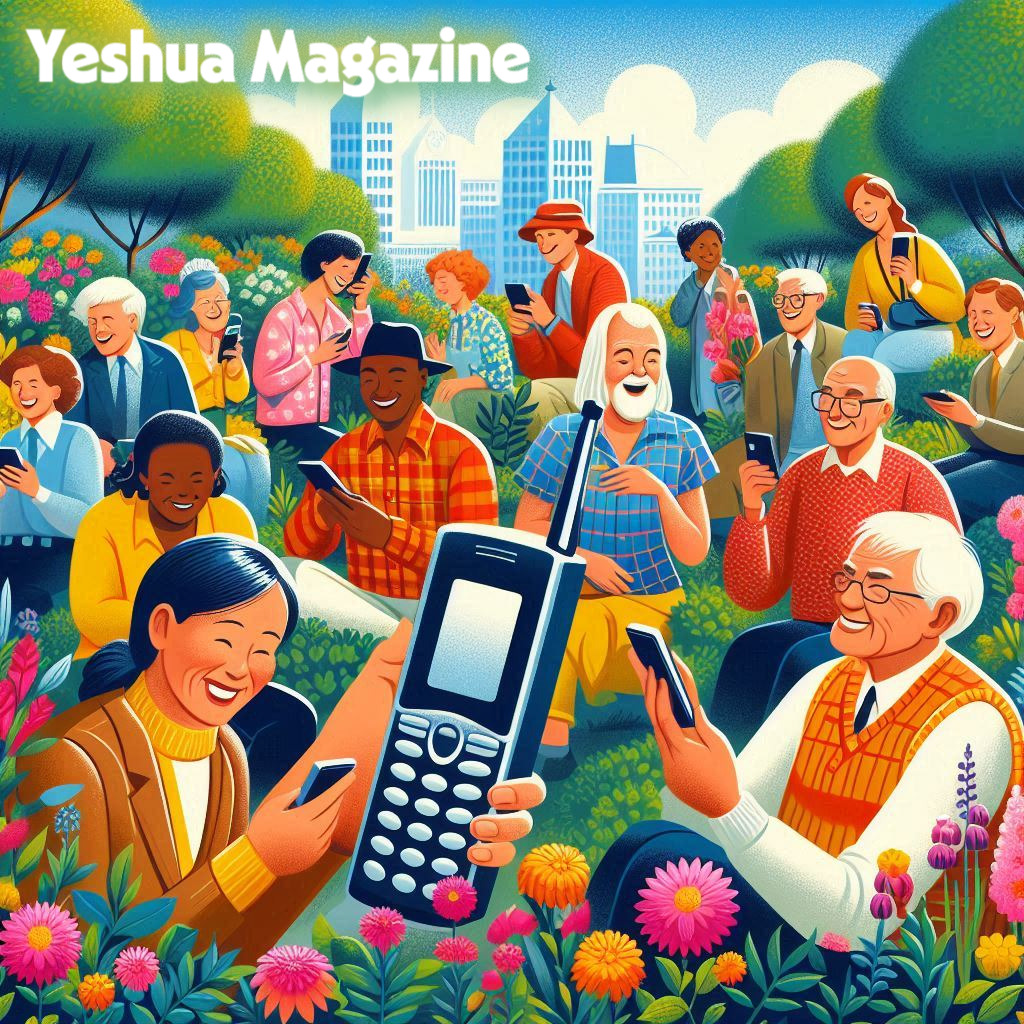


Discover why keypad phones are making a surprising comeback in 2024, who still uses them, and whether the love for tactile buttons can compete with the allure of a full-screen smartphone. A deep dive into nostalgia, practicality, and digital wellness.
Introduction: The Nostalgic Click vs. The Modern Swipe
In an era dominated by edge-to-edge glass slabs, a quiet but persistent question echoes: do people actually love keypad phones, or have we simply forgotten their charm? While global smartphone shipments approach 1.4 billion units annually, a counter-trend is emerging. Sales of basic keypad phones, often called “dumb phones” or feature phones, have seen a steady, unexpected rise. This isn’t just about cost; it’s a cultural conversation about attention, intention, and the human need for tactile feedback. This article explores the deep-seated reasons behind the enduring appeal of the keypad, examines who is driving this mini-revival, and asks whether our love for these devices is rooted in nostalgia or a genuine critique of modern smartphone life.
Part 1: The Case for Love – Why Keypad Phones Endure
The affection for keypad phones is not a simple case of “old is gold.” It’s a multifaceted attachment built on distinct, practical, and psychological pillars that smartphones have often sacrificed at the altar of progress.
1. The Unmatched Tactile Experience
The most immediate argument is physical. Tactile buttons provide confirmational feedback—a satisfying click or press—that a glass screen cannot replicate. This isn’t just about feeling; it’s about muscle memory and accuracy. Users can type without looking, enabling true blind operation. For many, the speed and certainty of T9 predictive texting on a 12-button keypad still rivals, or even surpasses, typing on a touchscreen for short messages.
2. The Fortress of Digital Minimalism
In our age of digital overload, the keypad phone is a beacon of focused functionality. It is, by design, a tool, not a portal. Its limitations are its greatest strength:
- No Endless Scrolling: It physically cannot run Instagram, TikTok, or addictive browser games.
- Intentional Communication: It excels at its core purposes: calls and texts. This forces more deliberate, meaningful communication.
- The “Digital Detox” Device: A growing movement, led by Gen Z and millennials, is adopting keypad phones as a tool for intentional disconnection. It’s a way to be reachable without being constantly distracted, reclaiming attention for the physical world.
3. Legendary Durability and Reliability
The reputation is iconic: long battery life measured in days or weeks, not hours. A keypad phone can survive drops that would shatter a smartphone screen. With fewer complex components and software layers, they are less prone to glitches and slowdowns. For users in remote areas, outdoor professions, or those who simply need a device that works, this reliability translates to profound peace of mind.
4. Accessibility and Inclusivity
For older adults or individuals with certain motor or visual impairments, a keypad phone can be far more accessible. Raised, physically distinct buttons are easier to identify by touch than flat-screen icons. The simpler, menu-driven interface is less intimidating and cognitively demanding than a sprawling smartphone OS.
5. Pure Economic and Practical Sense
In emerging markets, and for budget-conscious users everywhere, the math is compelling. A reliable keypad phone can cost less than $30, with minimal, prepaid plan costs. It solves the essential problem of connectivity without creating new problems of data plans, app subscriptions, and frequent, costly upgrades.
Part 2: The Smartphone Supremacy – Why the Glass Screen Won
To understand if the love for keypads is residual or resurgent, we must acknowledge the smartphone’s overwhelming value proposition. Its dominance is built on being more than a phone; it’s a convergence device.
1. The Portal to the Modern World
A smartphone is your camera, GPS, banking terminal, boarding pass, library, theater, and gaming console. This convergence is irreplaceably convenient. Keypad phones are tools; smartphones are gateways to the global digital ecosystem. For navigating modern life—from mobile payments to telehealth appointments—a smartphone isn’t a luxury; it’s often a necessity.
2. Connectivity and Community Redefined
Smartphones didn’t just improve communication; they transformed it. Multimedia messaging, video calls, and real-time group chats on platforms like WhatsApp or Telegram create a richness of interaction that SMS cannot match. They are the primary means of maintaining social and professional networks.
3. The Power of Customization and Empowerment
The app-based model offers unprecedented personalization and utility. Whether it’s language translation, identifying a plant, managing a chronic illness, or learning a skill, there’s an app for it. The smartphone empowers the user to mold the device to their specific needs in a way a static keypad phone never could.
Part 3: The Verdict – It’s Not Love vs. Hate, It’s Purpose vs. Portal
The debate isn’t about which device is objectively “better.” It’s about context and intention.
- Smartphones are for integration. They are designed to be the central hub of your digital and, increasingly, physical life. The “love” here is for capability, convenience, and connection.
- Keypad phones are for differentiation. They are loved for what they don’t do. The affection is for focus, durability, simplicity, and freedom from the very ecosystem smartphones create.
The most telling trend of 2024 is not the death of one or the dominance of the other, but the rise of hybrid users. This is the true sign of a mature market: people owning both. They use a smartphone for work, navigation, and entertainment, but switch to a keypad phone for weekends, vacations, or focused work periods. This “device segregation” allows them to harness the smartphone’s power without being enslaved by its distractions.
Furthermore, modern keypad phones are evolving. New “smart feature phones” like the JioPhone or devices running KaiOS offer a compelling middle ground: they retain the classic form factor and durability but add essential 4G connectivity, WhatsApp, YouTube, and maps via a simplified app menu. This suggests the future may not be a binary choice, but a spectrum of devices tailored to different modes of being.
Conclusion: A Lasting Niche in a Touchscreen World
So, do people love keypad phones? Yes, a significant and growing segment does. But this love is specific and intentional. It is not a blind rejection of technology but a conscious choice for a different relationship with it.
The keypad phone has gracefully retreated from being a universal tool to becoming a powerful niche product. Its legacy endures in the satisfying click of a mechanical keyboard, in the desire for a device that serves us rather than demands from us, and in the timeless human need for simplicity. The smartphone is the device we need to function in the modern world. But for many, the keypad phone is becoming the device they choose to truly live in it.
The market is no longer a battlefield with one victor. It is becoming a diverse landscape where the humble keypad, with its satisfying click and promise of quiet, has secured its own beloved corner for the foreseeable future.
FAQ Section
Q: Are keypad phones still being made?
A: Absolutely. Major manufacturers like Nokia (HMD Global), Jio, and Alcatel still produce new 4G-enabled keypad phones. Brands like Punkt and Light Phone also cater to the high-end digital minimalism market.
Q: Can I use WhatsApp on a keypad phone?
A: On most basic phones, no. However, “smart feature phones” running operating systems like KaiOS do support a lightweight version of WhatsApp, along with Google Maps and YouTube.
Q: What’s the main drawback of switching to a keypad phone?
A: The most significant compromise is access to the modern app ecosystem. You’ll lose easy access to banking apps, ride-sharing, food delivery, advanced photography, and seamless web browsing. Navigation without Google Maps also becomes a challenge.
Q: Is the “dumb phone trend” really popular with young people?
A: Yes. Driven by anxiety over social media addiction and screen time, many in Gen Z are consciously opting for keypad phones or minimalist devices to reclaim their attention and mental health. Documentaries like The Social Dilemma and online communities like r/dumbphones have fueled this movement.