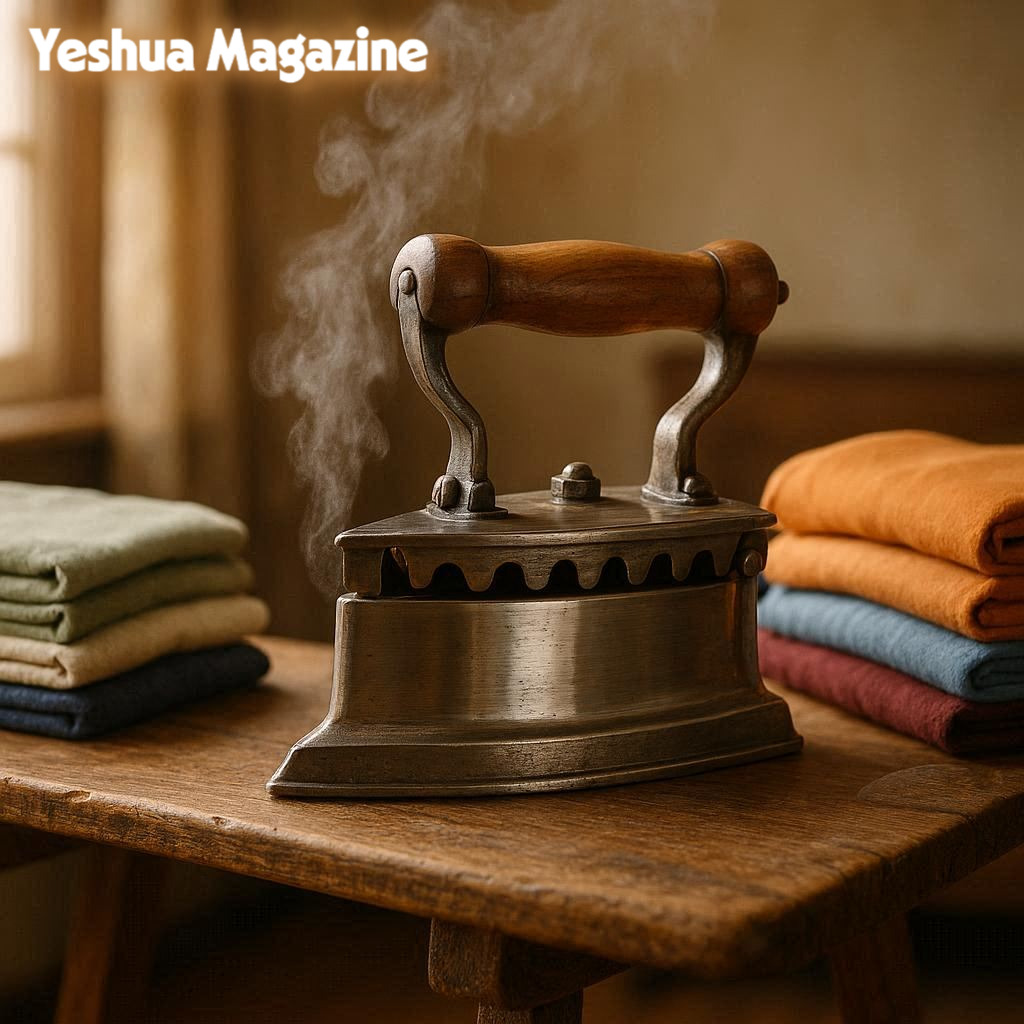


The steam iron is one of those household appliances we often take for granted, yet it represents centuries of innovation in textile care. From heavy metal plates heated over open flames to sophisticated steam-powered devices, the journey of the iron’s evolution tells a fascinating story of human ingenuity and the quest for efficiency in daily life.
The Early Days: Before Steam Technology
Before we dive into the invention of the steam iron, it’s important to understand what came before. The concept of pressing fabric to remove wrinkles dates back thousands of years. Ancient civilizations used flat stones, glass, and even heated metal pans to smooth their garments. The Chinese used metal pans filled with hot coals as early as the 1st century, while Europeans employed similar methods with heavy flat irons that required constant reheating on stoves or fires.
These early irons were cumbersome, dangerous, and inefficient. Housekeepers typically owned multiple irons—while one was in use, others would be heating. The process was time-consuming, physically demanding, and posed significant fire hazards. The need for a better solution was clear, setting the stage for revolutionary changes in the 19th and 20th centuries.
Henry W. Seeley and the Electric Iron Revolution
The first significant breakthrough came not with steam, but with electricity. In 1882, Henry W. Seeley of New York City invented and patented the first electric iron. His invention, which he called the “electric flatiron,” featured a heating element embedded within the iron’s base. This was a groundbreaking development that eliminated the need for constant reheating on a stove.
Seeley’s electric iron weighed approximately 15 pounds and took a considerable amount of time to heat up. Despite these limitations, it represented a monumental shift in laundry technology. The patent, number 259,054, was granted on June 6, 1882, marking the beginning of the modern iron age. However, widespread adoption was slow due to the limited availability of electricity in homes during that era.
The Birth of the Steam Iron: Thomas Sears Takes Center Stage
While Henry Seeley revolutionized irons with electricity, the true steam iron as we know it today was invented by Thomas Sears. In 1926, Sears, working in New York, introduced the first commercially successful steam iron for home use. His innovation combined electric heating with the application of steam to fabric, creating a device that could both heat and moisturize cloth simultaneously.
Sears understood that moisture was key to removing stubborn wrinkles from fabric. Prior to his invention, people would dampen clothes with water from a spray bottle or wet cloth before ironing. The steam iron eliminated this extra step by incorporating a water reservoir directly into the iron’s design. When heated, this water would convert to steam and be released through vents in the soleplate, penetrating the fabric fibers and making them easier to straighten.
How the First Steam Iron Worked
The original steam iron operated on principles that remain fundamentally unchanged in modern designs. The device consisted of several key components working in harmony to deliver both heat and moisture to fabric.
The water reservoir, typically located in the upper portion of the iron, held distilled or tap water. An electric heating element within the iron’s base would heat up when the device was plugged in and turned on. As this element reached optimal temperature, heat would transfer to a separate chamber where water from the reservoir was introduced in controlled amounts.
When water contacted the superheated chamber, it instantly vaporized into steam. This steam would then be channeled through small holes or vents in the soleplate—the flat metal surface that makes contact with fabric. The combination of heat and moisture penetrated deep into fabric fibers, relaxing them and making wrinkles easy to smooth out with the weight and motion of the iron.
Early steam irons featured simple on-off switches and basic temperature controls, usually adjusted via a dial that allowed users to select appropriate heat levels for different fabric types. The steam output was often controlled by a button or lever that the user would press to release bursts of steam for particularly stubborn wrinkles.
The Road to Commercial Success
Despite the obvious advantages of steam technology, the path to widespread adoption was not immediate. Several factors contributed to the gradual acceptance and eventual success of the steam iron in American and European households.
In the late 1920s and early 1930s, steam irons were expensive luxury items. The average household couldn’t justify the cost when traditional electric irons were more affordable. Additionally, early models were prone to mechanical issues. They often leaked water, clogged with mineral deposits, and were heavier than conventional irons. These practical concerns made many consumers hesitant to make the switch.
The breakthrough came in the post-World War II era of the 1940s and 1950s. Several factors converged to create the perfect conditions for steam iron adoption. Manufacturing techniques improved during the war years, making production more efficient and less expensive. The expanding middle class had more disposable income and was eager to invest in labor-saving devices. Marketing campaigns emphasized the time-saving benefits and superior results of steam ironing, appealing to the modern homemaker’s desire for efficiency.
Major appliance manufacturers like General Electric, Sunbeam, and Westinghouse began producing their own versions of the steam iron, each introducing refinements and improvements. Competition drove innovation and brought prices down, making steam irons accessible to average consumers. By the 1960s, the steam iron had become a standard household appliance in developed nations.
Technological Advancements and Modern Innovations
The success of the steam iron spurred continuous innovation over the decades. Engineers and designers worked to address the shortcomings of early models while adding new features that enhanced performance and user experience.
Anti-drip systems were developed to prevent water leakage when the iron was at lower temperatures. Self-cleaning functions helped combat mineral buildup from hard water. Vertical steam capabilities allowed users to steam hanging garments without removing them from hangers. Cordless models emerged, offering greater maneuverability without the constraint of a power cord.
Modern steam irons feature digital temperature controls, automatic shut-off safety mechanisms, ceramic and titanium soleplates for smooth gliding, and powerful steam bursts that can penetrate multiple layers of fabric. Some high-end models include smart features, such as motion sensors and pressure-activated steam release, making the ironing process more intuitive and efficient than ever before.
The Impact on Domestic Life and Industry
The steam iron’s success extended far beyond its function as a household appliance. It had profound effects on domestic life, the textile industry, and even social structures.
For households, the steam iron significantly reduced the time and physical effort required for laundry care. What once took hours could now be accomplished in a fraction of the time, with better results. This freed up time for other activities and reduced the physical burden of housework, particularly for women who traditionally performed these tasks.
In the commercial sector, professional laundries and dry cleaners adopted industrial-strength steam pressing equipment, improving service quality and efficiency. The garment manufacturing industry benefited from steam technology in finishing processes, ensuring products reached consumers in pristine condition.
The success of the steam iron also influenced broader trends in home appliance development. It demonstrated that consumers would invest in products that genuinely improved their quality of life, paving the way for other revolutionary household devices throughout the 20th century.
Global Adoption and Cultural Significance
As the steam iron’s reputation grew in Western markets, its adoption spread globally. Different cultures adapted the technology to their specific needs and preferences. In Asian markets, for instance, manufacturers developed models with features suited to local fabric types and ironing practices. In developing nations, the steam iron became a symbol of modernity and economic progress as electrification expanded.
Today, the steam iron remains an essential household tool worldwide, with billions of units in use. Despite the rise of wrinkle-resistant fabrics and professional pressing services, the steam iron continues to evolve and maintain its relevance in modern homes. The basic invention that Thomas Sears pioneered nearly a century ago has proven remarkably durable and adaptable to changing times and technologies.
Frequently Asked Questions (FAQs)
Who invented the very first steam iron?
Thomas Sears invented the first commercially successful steam iron in 1926. While Henry W. Seeley invented the electric iron in 1882, Sears was the innovator who added steam functionality, creating the prototype for modern steam irons used today.
How does a steam iron work differently from a regular iron?
A steam iron combines heat with moisture by converting water from an internal reservoir into steam, which is released through vents in the soleplate. This steam penetrates fabric fibers, making them more pliable and easier to smooth. Regular dry irons rely solely on heat and pressure to remove wrinkles.
When did steam irons become popular in households?
Steam irons gained widespread popularity during the 1950s and 1960s. Post-World War II manufacturing improvements, increased household electrification, rising middle-class incomes, and effective marketing campaigns all contributed to making steam irons standard household appliances during this period.
What were the main challenges with early steam irons?
Early steam irons faced several issues including water leakage, mineral buildup and clogging from hard water, excessive weight compared to dry irons, high cost that limited accessibility, and reliability problems with the steam generation mechanism. These challenges were gradually addressed through technological improvements over subsequent decades.
Are steam irons still relevant with modern wrinkle-resistant fabrics?
Yes, steam irons remain highly relevant. While wrinkle-resistant fabrics have reduced ironing frequency, many garments still benefit from pressing, including dress shirts, formal wear, linens, and natural fiber clothing. Modern steam irons also offer vertical steaming for curtains and hanging garments, expanding their utility beyond traditional ironing.
What should I look for when buying a steam iron today?
Consider these features: adequate water tank capacity for your needs, adjustable temperature and steam settings for different fabrics, a quality soleplate material that glides smoothly, anti-drip and self-cleaning functions to prevent mineral buildup, safety features like automatic shut-off, comfortable grip and weight, and sufficient cord length or cordless capability for maneuverability.
Conclusion
The invention of the steam iron represents a perfect example of how identifying everyday problems can lead to innovations that transform domestic life. From Thomas Sears’ initial breakthrough in 1926 to today’s sophisticated smart irons, this humble appliance has continuously evolved while maintaining its core purpose: making fabric care easier and more effective. The steam iron’s journey from expensive novelty to household necessity reflects broader themes of technological progress, changing social dynamics, and the ongoing human desire to simplify daily tasks. As we continue to innovate in home appliance technology, the steam iron stands as a testament to the enduring value of practical inventions that genuinely improve quality of life.